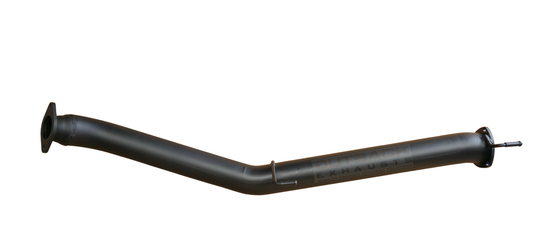
Toyota Prado 250 Series Exhaust Systems
Choose a Toyota Prado 250 exhaust for the 2.8L 1GD-FTV turbo diesel from Outback Exhausts. This range features a 3.5 inch DPF back exhaust in a gunmetal finish, with two sound variants: a resonator/small muffler for a medium note, or straight pipe/no muffler for a loud note. Both configurations retain the factory diesel particulate filter.
Prado 250 exhaust variants
3.5 inch exhaust with resonator: medium note
The Prado 250 resonator/small muffler exhaust is the medium note option. Start with this variant if you prefer the more restrained of the two listed sound choices for your touring wagon or daily driver. It uses the same 3.5 inch pipe size and DPF back layout as the pipe only version.
3.5 inch exhaust with straight pipe: loud note
The Prado 250 straight pipe/no muffler exhaust is listed as the loud note variant. Choose it only if that sound preference suits your setup. Pipe only refers to the sound configuration downstream of the DPF, not removal of the filter.
Prado 250 exhaust FAQs
What size is the Prado 250 exhaust?
The listed system uses 3.5 inch pipework in a gunmetal finish. Both sound variants have the same pipe size; the choice is resonator/small muffler or straight pipe/no muffler, not different diameters.
Does the DPF back exhaust keep the factory DPF?
Yes. This Prado 250 DPF back system starts after the diesel particulate filter and runs to the tailpipe, leaving the factory DPF in place. It is not a turbo back system or a replacement DPF.
Is there a quiet Prado 250 exhaust option?
The two listed options are medium and loud, not quiet. The resonator/small-muffler variant is the more restrained choice; the straight pipe/no muffler variant is labelled loud. Compare the product's sound information before choosing.
Will an exhaust upgrade fix DPF warnings or guarantee more power?
No specific power, fuel-saving or temperature improvement is guaranteed here. Results depend on the vehicle and its setup. A DPF-back exhaust does not replace the filter; have DPF warnings or regeneration problems diagnosed rather than treating a rear exhaust change as a repair.